
DeepSeek vs ChatGPT – choose the platform that saves money, protects momentum, and turns AI into real output
A lot of people start this comparison in the wrong place. They ask which tool is smarter, louder, cheaper, or more hyped. But DeepSeek vs ChatGPT is really about something more personal: which one helps you move faster without creating friction you will regret later.
If you are trying to choose well, this article will help you:
- understand where each platform really shines
- avoid buying into hype instead of workflow fit
- spot the biggest gains in cost, speed, and usability
- choose based on your actual use case, not internet noise
Why This Approach Is Winning in 2026
In 2026, the smartest buyers are no longer asking, “Which AI is best?” They are asking, “Which AI is best for this exact job?”
That shift matters. OpenAI is pushing ChatGPT as an end-to-end work product, with advanced reasoning models, deep research, agent mode, memory, projects, tasks, and custom GPTs across its paid plans. At the API level, OpenAI is also advertising GPT-5 as strong for coding and agentic tasks, with up to 400K context length on GPT-5. DeepSeek is pushing in the opposite direction: lower-cost API access, open model momentum, OpenAI-compatible integrations, and official reasoning and non-thinking modes for teams that want more control over how they build.
That is why the workflow-first approach is winning. Businesses, creators, and developers are tired of abstract benchmarks. They want lower friction, better economics, and tools that match the shape of their day.
The Problem With the Traditional “Best AI” Debate
The old way of comparing AI tools is honestly broken.
Most people still compare AI like they compare smartphones. They look for one winner, one leaderboard, one hot take, one viral screenshot. That is entertaining, but it is not useful. A founder running support automation, a student doing literature synthesis, and a developer building an embedded AI feature do not need the same thing.
This is exactly where bad AI buying decisions happen. People choose based on hype, then discover later that the workflow is clunky, the costs creep up, the integrations are weak, or the team never fully adopts the tool. The “best model” can still be the wrong product.
That is why DeepSeek vs ChatGPT should be judged through workflow, retention, and long-term fit. The more serious your use case becomes, the less flashy benchmark talk matters.

How the Two Platforms Actually Work in Practice
DeepSeek is especially attractive when you want to build your own experience around the model. Its API is compatible with the OpenAI format, which lowers migration friction. The official docs also distinguish between deepseek-chat, described as the non-thinking mode, and deepseek-reasoner, the thinking mode. DeepSeek’s current docs list 128K context for those V3.2 API model variants, along with built-in support for JSON output and tool calls.
ChatGPT is more attractive when you want the interface, the surrounding tooling, and the product experience to do more of the heavy lifting. OpenAI’s current ChatGPT plans include projects, tasks, custom GPTs, memory, deep research, and agent mode, while the capabilities overview describes deep research as a feature that reads and synthesizes multiple online sources into cited, structured outputs. GPT-5 is also positioned by OpenAI as strong for coding, long chains of tool calls, and agentic tasks.
So here is the practical difference:
- DeepSeek often feels like the better raw building block.
- ChatGPT often feels like the better ready-to-use working environment.
Neither advantage is trivial. Both can be exactly right, depending on what kind of friction you can tolerate.
Key Events and Product Signals That Matter
A few product signals tell you a lot about where each platform is going.
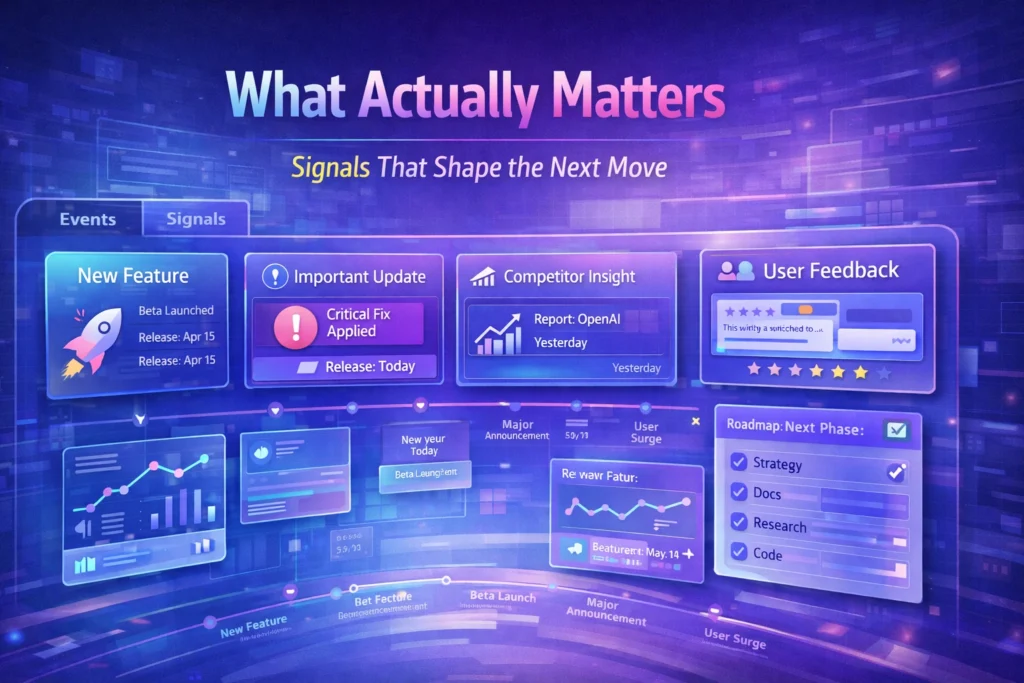
DeepSeek-R1 becoming MIT licensed was a big moment because it gave the open ecosystem more room to experiment with weights, outputs, fine-tuning, and distillation. DeepSeek’s model family also continues to emphasize MoE efficiency and reasoning-oriented positioning, with DeepSeek-V3 described as a 671B total parameter MoE model with 37B activated per token, and DeepSeek-R1 listed with 128K context in the repository.
OpenAI’s signal is different. The company is clearly investing in ChatGPT as a broader AI operating layer for work. GPT-5 is presented as the advanced model for coding and agentic tasks, while ChatGPT pricing pages place memory, deep research, projects, tasks, custom GPTs, and business collaboration front and center.
That matters because roadmap direction often predicts user experience better than isolated benchmark wins.
Where the Biggest Wins Come From
The biggest gains usually come from matching the tool to the job:
- Use DeepSeek for cost-sensitive API products
- Use ChatGPT for research-heavy, multi-step knowledge work
- Use DeepSeek when you want more build control
- Use ChatGPT when your team needs an AI workspace, not just a model
The pricing signal reinforces this. DeepSeek’s official API docs currently show very aggressive token pricing for deepseek-chat, while OpenAI’s flagship API pricing for GPT-5.4 sits much higher. At the same time, OpenAI offers a broader product stack around those models, which can justify the premium for teams that need the extra workflow layer.
A Real Example: Small Team, Tight Budget, Big Output Goals
Let’s make this real.
Imagine a five-person SaaS team. They need AI for support drafting, internal documentation, feature summaries, and light coding help. Their budget is tight, and one engineer is comfortable shipping around APIs. In that case, DeepSeek vs ChatGPT often tilts toward DeepSeek for production tasks, because lower API cost and OpenAI-compatible integration can create meaningful savings at scale.
Now imagine a content strategist, product marketer, or analyst who spends the day synthesizing information, shaping reports, managing multiple threads, and returning to work over time. That person may get more value from ChatGPT because memory, projects, tasks, and deep research reduce context switching and keep momentum alive.
Same broad category, very different winner.
That is why this comparison gets emotional for people. It is not just about tech. It is about whether the tool makes your day feel lighter or heavier.
The Retention and Workflow Impact Nobody Talks About
Here is the part most comparison articles miss: the best AI tool is often the one your team will actually keep using.
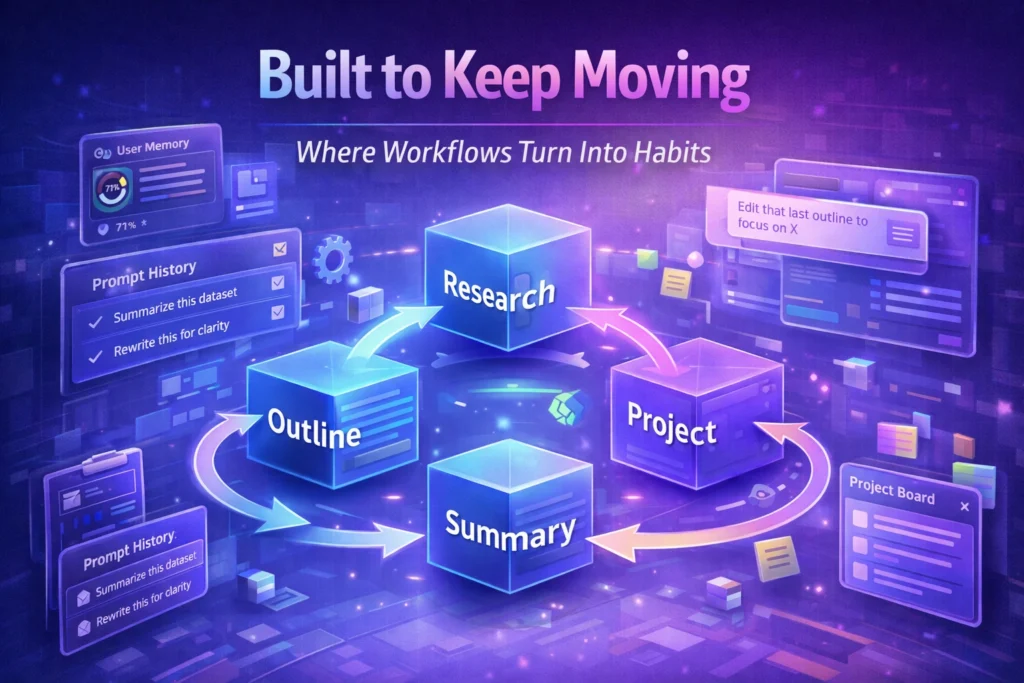
ChatGPT has a real advantage here for non-technical users. Features like project memory, structured research, tasks, and reusable GPT-based workflows reduce the blank-page problem. People return because the environment remembers, organizes, and supports more of the process.
DeepSeek can absolutely create strong retention too, but usually through a different mechanism. It wins when teams build DeepSeek into their own product, stack, or internal system. In other words, the retention benefit often comes from integration ownership rather than from an out-of-the-box workspace experience. That distinction is huge.
If your users need guidance, structure, and continuity, ChatGPT often feels stickier.
If your team wants a lower-cost intelligence layer inside systems you already control, DeepSeek can be the smarter long-term play.
Strategy Alignment Beats Tool Obsession
This is where mature AI adoption starts.
Before choosing a winner, define what success actually means: lower cost per task, better research quality, faster shipping, stronger internal adoption, or more control over your model stack. Then evaluate the tool against that target, not against internet hype.
This is also a good place to borrow a more disciplined evaluation lens. The NIST AI Risk Management Framework is a strong reference for thinking about trustworthiness, governance, and real-world AI risk, especially when you move beyond casual experimentation into business use.
Put differently, the smartest strategy is not “pick the smartest model.” It is “pick the system you can trust, afford, and scale.”
Common Mistakes to Avoid
One mistake is assuming cheaper always means better. Lower model cost is great, but not if your team loses time through poor adoption, messy workflows, or weak orchestration.
Another mistake is assuming polished UX always wins. A beautiful interface can hide expensive or unnecessary complexity if all you really need is a flexible, affordable model endpoint.
The third mistake is treating DeepSeek vs ChatGPT like a permanent identity choice. It is not. Many teams will end up using both: DeepSeek for embedded and cost-sensitive tasks, ChatGPT for research, planning, drafting, and team-facing workflows.
And maybe the biggest mistake of all: trying to decide everything at once.
Start Simple and Test One Workflow First
Do not start by asking which platform should run your whole company.
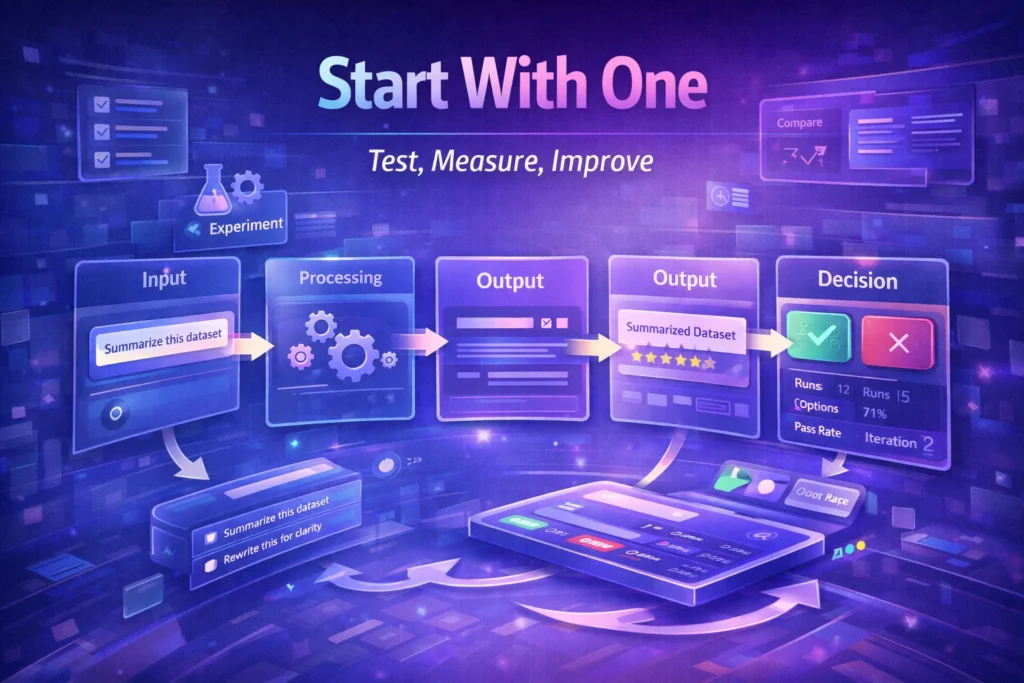
Pick something concrete: support summarization, content briefs, sales prep, internal docs, or coding assistance. Define what “good” looks like, then test both tools against the same task. Measure response quality, time saved, editing effort, total cost, and whether the process feels easy enough to repeat.
That last part matters more than people admit. If the workflow feels annoying, your team will quietly stop using it.
A simple first step often gives you the clearest answer.
Your Questions Answered
For most everyday users, ChatGPT is easier to recommend because the surrounding product is more complete. OpenAI currently bundles things like projects, memory, tasks, custom GPTs, and deep research into the ChatGPT experience, which reduces setup friction. If someone wants to log in and get productive quickly, ChatGPT usually feels more immediately useful.
Often, yes, especially when cost control and API flexibility matter a lot. DeepSeek’s official documentation emphasizes OpenAI-compatible API access, reasoning and non-thinking modes, and aggressive token pricing, which makes it attractive for product teams building their own workflows. That does not automatically make it better for every developer, but it does make it especially compelling for teams that want more control over integration and economics.
It can, if the extra workflow layer saves enough time. A more complete environment, especially one that supports research, memory, tasks, and project continuity, can create value that is not visible in token pricing alone. If your use case is knowledge work rather than raw model access, paying more can be rational.
Yes, and that is probably the most realistic setup for many teams. One tool can serve as the lower-cost intelligence layer for product or backend tasks, while the other supports research, drafting, strategy, and team collaboration. The best stack is often hybrid, because different workflows create different definitions of value.
That depends on what kind of leverage you want. If your priority is ownership, flexibility, and lower-cost deployment options, DeepSeek has obvious appeal, especially with MIT-licensed model access in its ecosystem. If your priority is a polished work surface that keeps improving around research, memory, and agentic productivity, ChatGPT may offer more strategic upside for day-to-day business use.
DeepSeek vs ChatGPT: The Right Choice Depends on How You Actually Work
The truth is simple: DeepSeek vs ChatGPT is not a battle between a winner and a loser. It is a decision about what kind of leverage you need right now.
Choose DeepSeek when cost, flexibility, and control matter most. Choose ChatGPT when continuity, research flow, and a complete AI workspace matter more. And if your work is serious enough, do not be surprised if the best answer is both.
