
Google Ads and AI Skillshop Certification: Common Exam Questions Answered
Discover how Google AI helps marketers maximize search ad performance with advanced tools and insights.
In the ever-evolving landscape of digital marketing, understanding how technology impacts advertising strategies is crucial. One of the most significant advancements is the integration of artificial intelligence (AI) into platforms like Google Ads. For marketing professionals, grasping the nuances of how Google AI enhances search ad performance is essential for optimizing campaigns and maximizing return on investment.
Understanding Google AI and
Its Role in Marketing
What is Google AI?
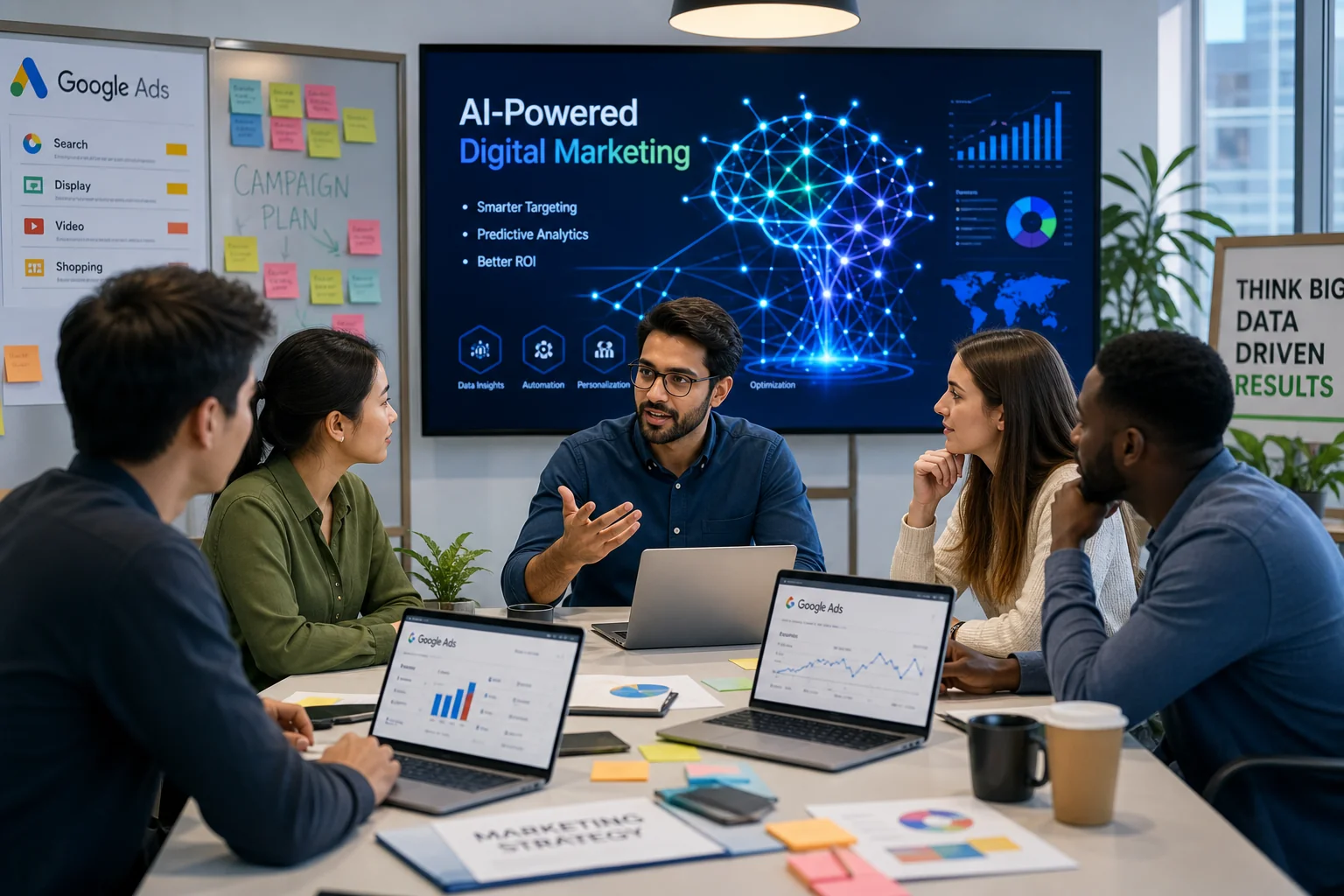
Google AI encompasses various technologies designed to enhance advertising effectiveness. Key components include machine learning algorithms, natural language processing, and predictive analytics. These technologies work together to analyze vast amounts of data, enabling marketers to optimize their ad strategies.
How Google AI Works in Advertising
Google AI helps marketers maximize search ad performance by automating processes and delivering insights. For instance, Smart Bidding utilizes machine learning to adjust bids in real-time based on the likelihood of conversions. Additionally, responsive search ads dynamically adapt to user queries, ensuring more relevant messaging.
Impact of Machine Learning Algorithms
The use of machine learning algorithms transforms how advertisers approach their campaigns. These algorithms analyze patterns in user behavior, allowing for improved targeting and ad placement. For example, they can identify high-value customers and tailor ads to meet their specific needs.
How Does Google AI Help
Marketers Maximize Search Ad Performance?
Google AI plays a crucial role in enhancing the effectiveness of search ads. It utilizes advanced machine learning algorithms to analyze vast amounts of data, allowing marketers to make informed decisions. Here are the key ways Google AI helps marketers optimize their search ad strategies.
Enhancing Ad Targeting
One of the primary benefits of Google AI is its ability to improve ad targeting. By analyzing user behavior and preferences, AI can identify the right audience for specific ads. This ensures that ads are displayed to users who are more likely to engage with them. For example, a travel agency promoting vacation packages can target users who recently searched for travel-related content.
Optimizing Bidding Strategies
Google AI also optimizes bidding strategies through features like Smart Bidding. This automated bidding strategy uses real-time data to adjust bids based on the likelihood of conversions. By considering various factors such as device, location, and time of day, AI maximizes the return on investment (ROI) for ad campaigns. This means that marketers can spend their budgets more effectively, focusing on high-potential opportunities.
Improving Performance Analytics
Lastly, Google AI enhances performance analytics by providing deeper insights into campaign effectiveness. It tracks key performance indicators (KPIs) such as click-through rates (CTR) and conversion rates, allowing marketers to identify what works and what doesn’t. This data-driven approach enables continuous optimization of ad campaigns, ensuring marketers stay competitive in the market.
Benefits of Using
Google AI for Marketers

Increased Efficiency and Time Savings
Google AI significantly streamlines marketing processes. By automating repetitive tasks, such as bid adjustments and ad placements, marketers can focus on strategy and creative development. For instance, Smart Bidding uses machine learning to optimize bids for conversions in real-time, reducing the need for manual adjustments.
Enhanced Ad Personalization
One of the standout features of Google AI is its ability to deliver personalized ad experiences. Through data analysis, AI identifies patterns in user behavior and preferences. As a result, ads can be tailored to resonate with specific audiences. For example, an online retailer can dynamically adjust its ad copy and visuals based on real-time data about user interactions.
Improved ROI on Ad Spend
By leveraging AI-powered tools, marketers can see a more efficient return on their advertising investments. With features like responsive search ads, Google AI helps create multiple ad variations that can adapt to user queries. This flexibility ensures that the most relevant ads are shown, increasing click-through rates (CTR) and conversion rates.
Implementation Steps for
AI-Powered Search Ads
Setting Up Smart Bidding
To harness the full potential of Google AI, marketers should start by setting up Smart Bidding. This automated bidding strategy uses machine learning to optimize bids for conversions or conversion value in every auction. Here’s how to set it up:
- Choose Your Goal: Decide whether you want to maximize conversions or conversion value.
- Select Smart Bidding Strategy: Options include Target CPA (Cost Per Acquisition) or Target ROAS (Return on Ad Spend).
- Implement Conversion Tracking: Ensure that you have conversion tracking set up to measure performance accurately.
- Monitor and Adjust: Regularly review bid strategies to ensure they align with your campaign goals.
Creating Responsive Search Ads
Responsive Search Ads (RSAs) are another AI-driven feature that allows marketers to create ads that adapt to user queries. Here’s how to create effective RSAs:
- Provide Multiple Headlines and Descriptions: Input up to 15 headlines and 4 descriptions. Google AI will test different combinations to find the best-performing ads.
- Focus on Relevance: Ensure your headlines and descriptions are relevant to your keywords and target audience.
- Utilize Dynamic Keyword Insertion: This feature allows your ads to automatically include the user's search terms, enhancing relevancy.
- Review Performance: Analyze which combinations perform best and refine your content based on that data.
Analyzing Performance Metrics
To maximize the effectiveness of AI-powered search ads, marketers must analyze performance metrics consistently. Key metrics include:
- Click-Through Rate (CTR): Indicates how well your ads attract clicks.
- Conversion Rate: Measures the percentage of clicks that resulted in a desired action.
- Quality Score: Evaluates the relevance of your ads, keywords, and landing pages.
- Return on Investment (ROI): Assesses the profitability of your ad campaigns.
Common Challenges in
Using AI for Advertising
Misconceptions About AI Complexity
One significant misconception is that AI tools are overly complex. While the technology can seem daunting, many Google AI features are designed for accessibility. For instance, Smart Bidding automates bidding strategies based on machine learning, allowing marketers to focus on broader campaign strategies rather than technical intricacies.
Dealing with Data Privacy Changes
Another challenge is the shifting landscape of data privacy. Recent regulations have altered how marketers collect and utilize data. With cookie restrictions becoming more prevalent, marketers must adapt AI tools to respect privacy while still achieving effective targeting. This necessitates a solid understanding of how AI can function with limited data access.
Adapting to Algorithm Updates
Moreover, algorithm updates can impact ad performance. Marketers must stay informed about changes and adjust their strategies accordingly to maintain effectiveness.
Tools and Resources
for Google Ads Certification
Overview of Google Skillshop
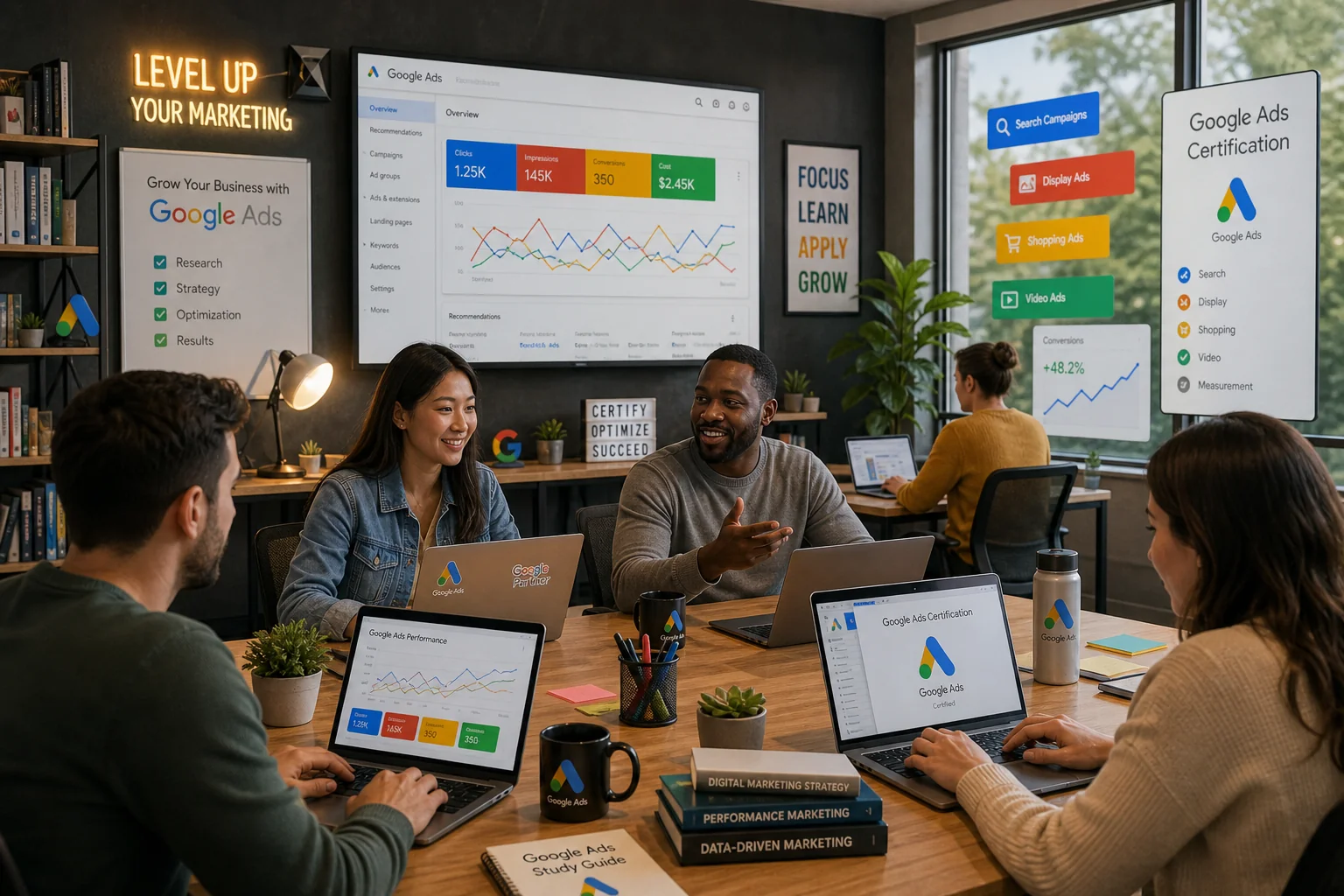
Google Skillshop is a robust online learning platform designed to help marketing professionals master Google Ads and other Google tools. It offers a variety of courses that cover essential topics like ad creation, targeting, and performance measurement. Skillshop provides interactive lessons, hands-on exercises, and resources that cater to different learning styles.
Recommended Learning Paths
To optimize your learning experience on Google Skillshop, consider following these recommended paths:
- Fundamentals of Google Ads: Start with foundational courses that introduce core concepts related to search ads and Google’s advertising ecosystem.
- Advanced Strategies: After grasping the basics, delve into advanced topics like Smart Bidding and responsive search ads.
- Performance Measurement: Learn how to analyze key metrics, such as CTR and conversion rates, to assess the effectiveness of your campaigns.
Accessing Certification Exam Answers
While preparing for your Google Ads certification exam, you may come across various unofficial sources claiming to provide answers. However, it is essential to rely on legitimate resources. Google Skillshop offers practice assessments and study materials that mirror the certification exams. For those looking to reinforce their knowledge, consider joining online forums or discussion groups where fellow marketers share insights and study tips.
Conclusion
In summary, Google AI is a game-changer for marketers seeking to maximize search ad performance. It offers numerous benefits, including improved targeting, automation of bidding strategies, and enhanced ad personalization. Understanding how Google AI helps marketers maximize search ad performance can empower you to make informed decisions and optimize your campaigns effectively.
To fully leverage these advantages, consider implementing AI-powered search ads and adopting best practices. Start by exploring the tools and resources available through Google Ads certification. By taking these steps, you'll be well on your way to enhancing your marketing strategies and achieving better results.
Questions
Answered
Common questions related to this topic.
What is how does google ai help marketers maximize search ad performance?
Google AI enhances search ad performance by leveraging machine learning to optimize ad targeting and bidding strategies. This results in improved ad placements and relevance, leading to higher click-through rates and conversions. For instance, AI can analyze user behavior to show more personalized ads.
How does Google AI help marketers maximize search ad performance?
Google AI uses Smart Bidding to automatically adjust bids based on real-time data, focusing on maximizing conversions. This process reduces manual effort and allows for a more dynamic approach to ad spending, ultimately improving return on investment for advertisers.
What are the benefits of using Google AI in search ads?
Using Google AI in search ads leads to enhanced targeting, better ad personalization, and improved bidding strategies. Marketers can expect higher engagement rates and optimized spend, as AI continuously learns from data trends and user interactions to refine ad delivery.
Can Google AI help with ad personalization?
Yes, Google AI excels at ad personalization by analyzing user data to tailor messages that resonate with individual preferences. This targeted approach increases the likelihood of engagement and conversion, making ads more effective in reaching the right audience.
Should marketers rely solely on AI for ad campaigns?
No, while AI significantly enhances ad performance, human oversight is essential for strategy and creativity. Marketers should use AI tools to inform decisions but maintain a strategic role in campaign design and adjustment to ensure alignment with broader marketing goals.
When should marketers consider using AI-powered search ads?
Marketers should consider using AI-powered search ads when they aim to scale their campaigns efficiently and optimize performance. If a campaign is struggling with engagement or conversion rates, integrating AI can provide insights and automation that lead to better outcomes.
Ready To GrowThis Into Results?
Discover how Google AI helps marketers maximize search ad performance with advanced tools and insights.
Prefer to reach out directly? We'll get back to you as soon as possible.
Contact MASS DATA Today
