
Klaviyo Flows Ecommerce: 5 Automations to Build First
Learn which five Klaviyo flows ecommerce businesses should prioritize and how to configure them effectively. Explore welcome sequences, abandoned checkout recovery, post-purchase messaging, win-back campaigns, and browse abandonment, with practical guidance on triggers, segmentation, consent, testing, and revenue measurement.
How Klaviyo Flows Help Ecommerce
Brands Turn Customer Behavior Into Revenue
An online store attracts hundreds of visitors, but only a fraction complete a purchase. Some shoppers subscribe to a newsletter and never return, others abandon their checkout, while existing customers make one purchase and disappear. Without a structured follow-up process, these opportunities can easily go unnoticed.
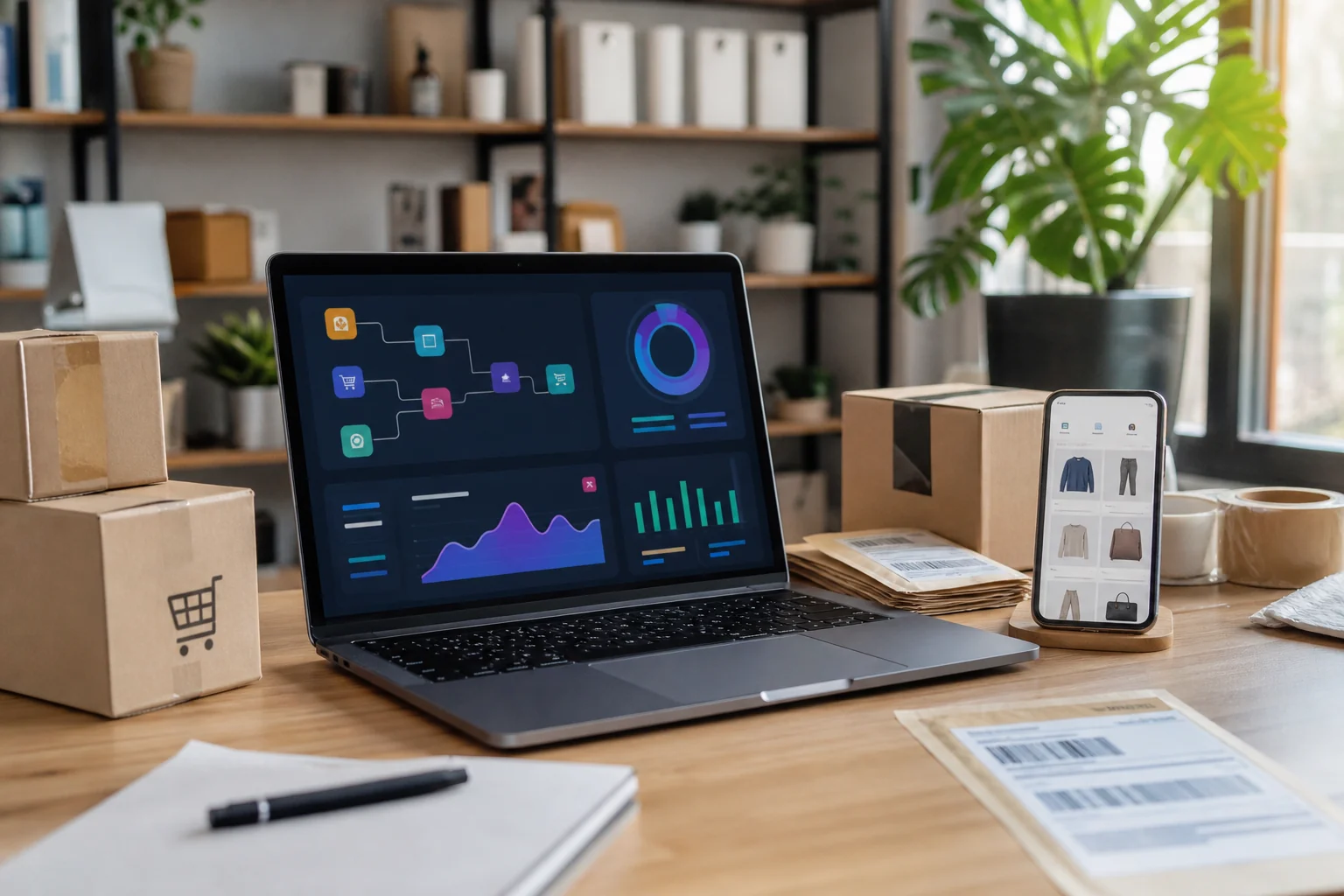
Klaviyo flows ecommerce automation helps businesses respond to customer behavior with relevant, timely communication. Instead of manually sending emails to every customer segment, brands can build automated journeys triggered by newsletter subscriptions, checkout activity, purchases, product views, and changes in customer engagement.
However, creating more automations does not automatically increase revenue. Flows need accurate ecommerce data, appropriate consent, relevant messaging, and carefully configured filters. A poorly designed abandoned checkout sequence can continue sending reminders after a purchase, while an overly aggressive win-back flow may overwhelm customers who are simply between normal purchases.
The most effective approach is to begin with a small number of high-value customer journeys, validate their performance, and expand automation gradually. This guide explains the five Klaviyo flows most ecommerce businesses should consider building first, how they work, and how to optimize them for customer acquisition, retention, and long-term value.
What Are Klaviyo
Flows for Ecommerce?
Klaviyo flows are automated customer communication sequences triggered by defined events, list membership, segment changes, or other supported conditions. They allow ecommerce businesses to respond to customer activity without manually creating a new campaign every time a shopper takes an action.
For example, a new subscriber can receive a welcome sequence, while a customer who starts checkout but does not place an order may receive a relevant reminder. After a purchase, another sequence can provide product information, suggest complementary items, or support a future purchase. These interactions are managed through automated workflows containing triggers, filters, time delays, conditional splits, and messages.
Unlike one-time promotional campaigns sent to a selected audience, flows respond to qualifying customer activity. This makes them particularly useful for lifecycle marketing, where the timing and relevance of communication can influence the customer experience. Mass Data's article on product events marketing automation explains how behavioral triggers can connect marketing activity with meaningful customer actions.
How Event-Triggered Automation Works
A typical flow begins when Klaviyo receives an event from an integrated ecommerce platform. Events such as Started Checkout, Placed Order, or Viewed Product can initiate relevant workflows, depending on the integration and available tracking configuration.
Once the event occurs, Klaviyo evaluates the flow's configured conditions and determines which messages the customer is eligible to receive. Time delays allow communication to occur after an appropriate interval, while filters can prevent messages from being sent when the customer's circumstances change.
For instance, a shopper may enter an abandoned checkout flow but complete the purchase before the first reminder is scheduled. A correctly configured filter should prevent the reminder from being sent because the customer no longer meets the abandonment conditions.
The 5 Essential Klaviyo Flows
Ecommerce Stores Should Build First
The best starting point is usually a combination of acquisition, conversion recovery, and retention automations. Each flow serves a different stage of the customer journey, so they should not use identical messaging or timing.
|
Flow |
Primary trigger |
Main objective |
|---|---|---|
|
Welcome series |
Joins a subscriber list |
Convert subscribers into customers |
|
Abandoned checkout |
|
Recover incomplete purchases |
|
Post-purchase |
|
Improve customer experience and repeat purchases |
|
Customer win-back |
Previous purchase followed by inactivity |
Re-engage lapsed customers |
|
Browse abandonment |
|
Reconnect with interested shoppers |
This order provides a practical implementation framework, although the relative priority depends on the business. A store with substantial checkout abandonment may prioritize recovery messaging, while a brand with strong first-purchase volume but weak repeat purchasing may benefit more from retention flows.
Klaviyo's official getting started with flows guide identifies welcome, abandoned cart, post-purchase, and win-back automations as foundational journeys. Browse abandonment can provide an additional opportunity once product-view tracking and customer identification are working reliably.
1. Klaviyo Welcome Flow: Convert
New Subscribers Into First-Time Buyers
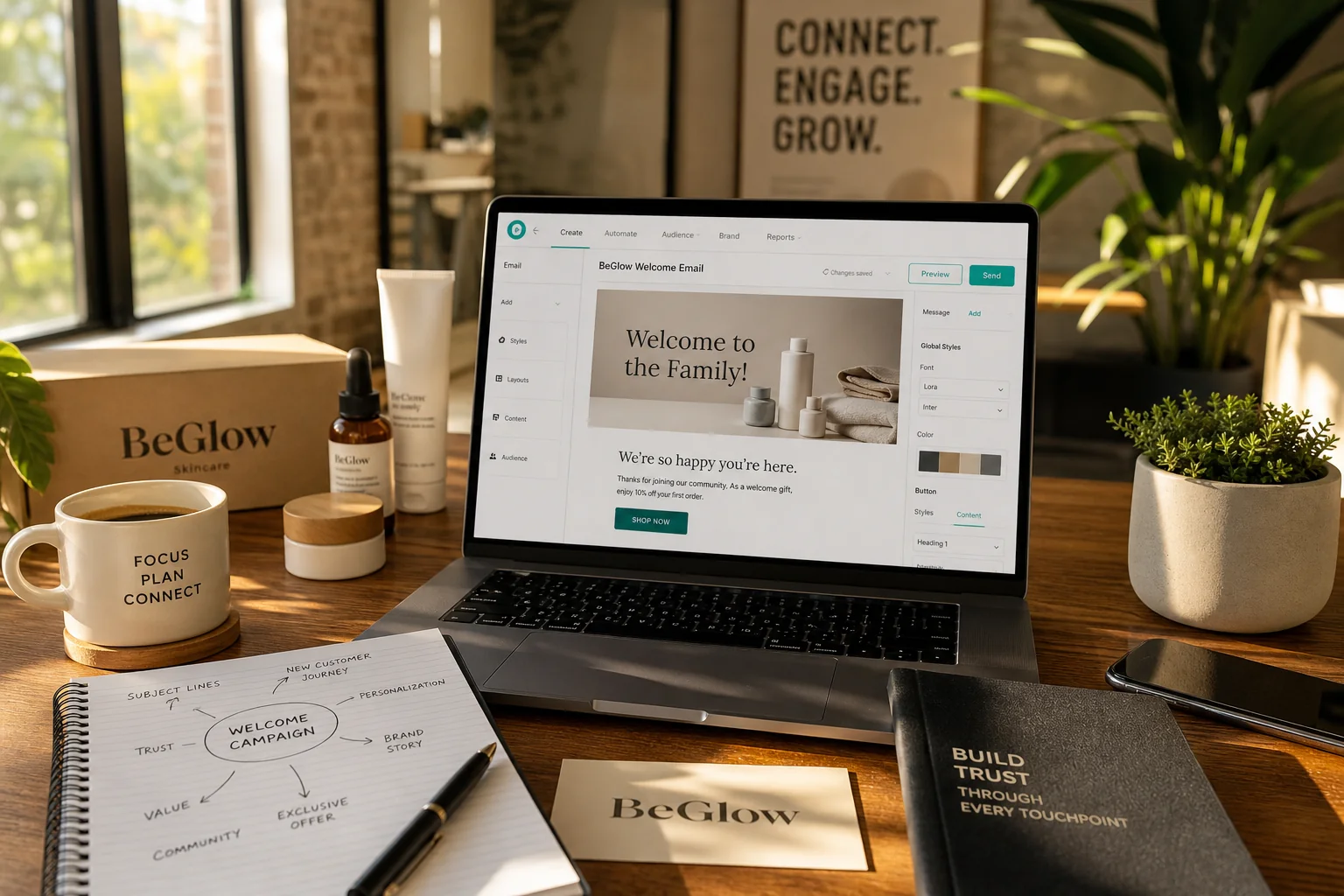
A welcome flow introduces new subscribers to the brand shortly after they join an email list. It provides an opportunity to explain the product offering, establish trust, and guide interested visitors toward their first purchase.
Unlike promotional campaigns focused on short-term discounts, a strong welcome sequence should communicate why the brand deserves attention. Depending on the business, this may involve product quality, ingredients, manufacturing standards, customer service, delivery conditions, or other verified differentiators.
The flow is commonly triggered when a new subscriber joins a designated list. Businesses should distinguish newsletter subscribers from existing customers and prevent introductory messages from being sent to people who have already completed the intended purchase journey.
Recommended Welcome Flow Structure
A practical welcome sequence can contain three messages. The first welcomes the subscriber, introduces the brand, and provides any promised signup benefit. The second explains important products or customer benefits, while the third addresses common purchase objections and provides a clear next step.
For example, a skincare retailer might introduce its approach to skin care, explain the differences between its product categories, and provide guidance for choosing an appropriate routine. A premium homeware brand could focus on materials, design quality, and delivery information rather than immediately offering a discount.
Timing should reflect the customer's likely buying journey, and the sequence should stop or change when the subscriber purchases. Otherwise, a customer may continue receiving first-purchase incentives after already placing an order.
The key objective is to create a relevant introduction that supports a purchase decision without training every subscriber to expect an immediate discount.
2. Klaviyo Abandoned Cart
Flow: Recover Incomplete Purchases
An abandoned cart or checkout flow targets shoppers who demonstrate purchasing intent but do not complete an order. These customers are often more commercially engaged than visitors who simply view a product, making checkout recovery an important automation opportunity.
However, the terms abandoned cart and abandoned checkout are sometimes used interchangeably despite differences in the triggering events. In Klaviyo, the standard abandoned checkout configuration commonly uses Started Checkout, while an alternative cart recovery flow can use Added to Cart when the ecommerce integration supports that event.
This distinction affects which customers enter the workflow. Someone who adds a product to their cart may still be browsing, while a shopper who begins checkout has progressed further in the purchasing process. The appropriate recovery strategy should reflect that difference.
Recommended Abandoned Checkout Sequence
A checkout recovery flow may begin with a reminder after a suitable delay, followed by a second message addressing common purchasing concerns. A final message can provide additional assistance or a genuine, time-limited incentive when commercially justified.
For example, a retailer could begin by reminding the customer about the items left behind. A subsequent email might explain delivery conditions, return policies, or product availability, particularly if these are known sources of checkout hesitation. A discount should not automatically be included in every abandoned checkout sequence because it may reduce margins or encourage customers to abandon intentionally in anticipation of an offer.
The most important technical requirement is the purchase exclusion filter. A properly configured abandoned checkout flow should check that the customer has Placed Order zero times since entering the flow before sending subsequent reminders.
This prevents customers who complete their purchase from continuing to receive abandonment messages. The store should also verify that order events synchronize correctly from its ecommerce platform, since delayed or missing purchase data can undermine suppression rules.
3. Klaviyo Post-Purchase Flow:
Build Stronger Customer Relationships
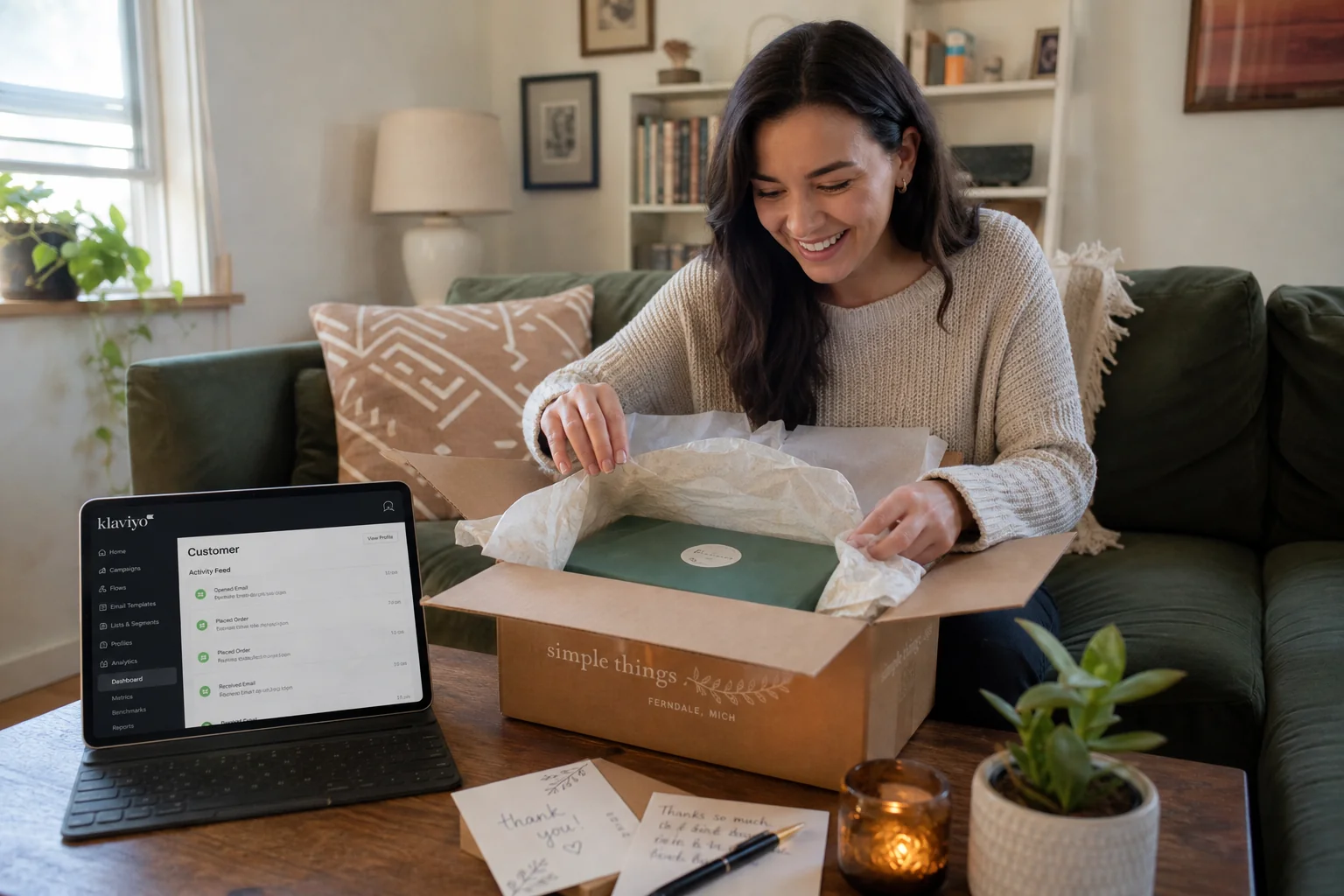
A completed purchase should not mark the end of the customer journey. Post-purchase communication provides an opportunity to support product satisfaction, establish trust, and create a foundation for future purchases.
In Klaviyo, a post-purchase flow is commonly triggered by the Placed Order event. The sequence can include a thank-you message, useful product information, complementary recommendations, or feedback requests, depending on the products and customer relationship.
The most effective content helps customers get value from what they have purchased before attempting another sale. For example, an electronics retailer might send setup guidance and product maintenance tips, while a beauty brand could explain how to use a product as part of an existing routine.
Segment First-Time and Returning Customers
Not every customer needs the same follow-up. First-time purchasers may benefit from additional brand information, product instructions, or customer support guidance. Returning customers may respond better to recommendations based on previous purchases or loyalty benefits.
Conditional splits allow businesses to create different paths based on order history, purchased products, or other relevant customer information. This can help make communications more useful without creating an entirely separate flow for every customer group.
Timing is particularly important. A product review request should generally arrive after the customer has had a reasonable opportunity to receive and use the product. Similarly, cross-selling should reflect the product's expected usage cycle rather than arriving immediately after every transaction.
Transactional order confirmations and promotional post-purchase messages should also remain clearly distinguished. They serve different purposes and may be subject to different consent and delivery requirements.
For brands building more sophisticated lifecycle journeys, Mass Data's marketing automation services help connect customer data, segmentation, email automation, and post-purchase communication into a coordinated retention strategy.
4. Klaviyo Win-Back
Flow: Re-Engage Inactive Customers
A win-back flow targets customers who previously purchased but have not returned within an appropriate period. Its objective is to restore engagement and encourage another purchase when the customer may still have a relevant need for the products.
The difficulty is determining when a customer should be considered inactive. A business selling consumable products may have a relatively short repeat-purchase cycle, while a retailer offering expensive furniture or specialist equipment might expect customers to wait much longer between orders.
Klaviyo win-back flows can use the Placed Order event with a time delay aligned to the expected buying cycle. Filters should ensure that customers who make another purchase do not continue receiving inappropriate reactivation messages.
Personalize the Win-Back Strategy
A useful win-back sequence should reflect the customer's previous relationship with the brand. This may include relevant product recommendations, newly introduced products, reminders about replenishable items, or a carefully selected incentive.
For example, a coffee retailer may contact customers who have not reordered after their usual replenishment interval. A home electronics retailer, however, might focus on compatible accessories rather than suggesting that customers replace products they recently purchased.
Customer segmentation becomes particularly valuable when buying cycles differ substantially across product categories. A single inactivity threshold for the entire customer database may generate irrelevant messages and reduce engagement.
Businesses should also consider suppression and list hygiene. Customers who consistently ignore communications or have withdrawn consent should not receive unlimited attempts at reactivation.
The objective is to re-engage customers who still have a realistic reason to purchase, not send more messages to every inactive profile.
5. Klaviyo Browse Abandonment Flow:
Convert Product Interest Into Action
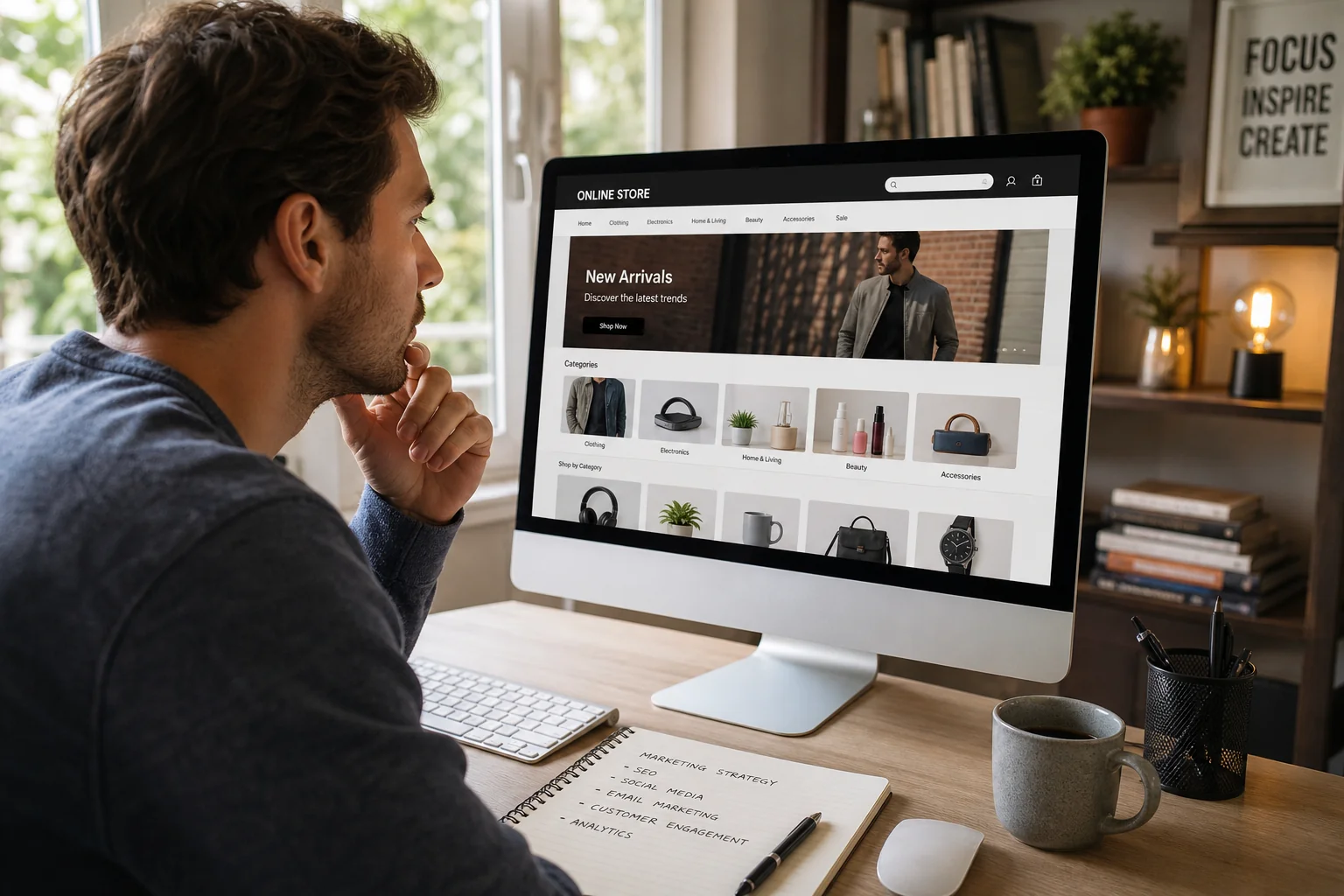
Browse abandonment flows target identifiable visitors who view products but do not progress to checkout or purchase. These customers have demonstrated interest in a particular product, but their intent is usually less developed than that of shoppers who begin checkout.
In Klaviyo, the flow typically uses the Viewed Product event as its trigger. The event depends on appropriate website tracking and the ability to associate browsing behavior with a recognized customer profile.
This is an important limitation. Browse abandonment cannot reliably target every anonymous visitor to a website. Visitors generally need to be identifiable through permitted tracking mechanisms, such as previous engagement with Klaviyo communications or a recognized signup interaction.
Avoid Overlapping Browse and Checkout Messages
Browse abandonment should not compete with cart recovery. A customer who views a product, adds it to the cart, and begins checkout could otherwise enter several overlapping automations.
The flow should therefore use filters that prevent messages when the customer has progressed to checkout or completed a purchase. Where an additional Added to Cart flow exists, it may be appropriate to exclude those customers from browse abandonment as well.
A browse abandonment message should focus on the specific product or category viewed. Useful content might include product features, available variations, genuine customer reviews, or helpful comparisons.
Because the customer has not necessarily demonstrated immediate purchase intent, a less aggressive approach is often appropriate. The objective is to support consideration rather than create artificial urgency around an early-stage browsing interaction.
How to Set
Up Klaviyo Flows Correctly
Before creating several automations, ensure Klaviyo receives accurate ecommerce events from the store. Supported integrations with platforms such as Shopify and WooCommerce can synchronize customer and transaction information, although the available events and implementation details depend on the platform and configuration.
A reliable setup should confirm that Started Checkout, Placed Order, and Viewed Product events are recorded as expected. For stores planning an alternative cart recovery flow, the Added to Cart event may also be necessary. If these events are missing or duplicated, even well-written automation messages may be triggered at the wrong time.
Configure Triggers, Filters, and Delays
Each flow should begin with a clearly defined trigger. The trigger determines when a customer becomes eligible to enter the workflow, while filters determine whether the customer should remain eligible to receive subsequent messages.
For example, an abandoned checkout flow uses checkout activity as the trigger and purchase activity as a condition that prevents further reminders. A win-back flow can use purchase history and an appropriate delay to determine when reactivation messaging becomes relevant.
Time delays should be selected according to customer behavior and the product's buying cycle. There is no universal schedule suitable for every ecommerce category. A consumable product, a high-consideration purchase, and a low-cost impulse product may require different communication timing.
Before activating the flow, test several realistic scenarios. Confirm that messages display the correct products, discounts, names, and links. Also verify that customers who no longer meet the conditions are excluded as intended.
Segmentation and
Personalization in Klaviyo
Personalization should go beyond inserting the customer's first name into an email. Klaviyo allows marketers to use customer behavior, purchase history, product interactions, and available profile information to create more relevant communications.
For example, a store can distinguish between first-time and returning customers or personalize recommendations according to product categories previously purchased. High-value customers may receive a different approach from occasional shoppers, while customers with recently completed orders can be excluded from acquisition-focused promotions.
However, segmentation should not become unnecessarily complicated. Creating too many small customer groups can increase maintenance and make performance difficult to evaluate. The most useful segments correspond to meaningful differences in customer needs or purchasing behavior.
Mass Data's comparison of HubSpot vs Klaviyo for AI lead nurturing discusses how customer data, automation capabilities, and business models influence the selection and configuration of marketing platforms.
The objective is to make every communication more relevant while maintaining a system that the marketing team can reliably operate and optimize.
How to Measure
Klaviyo Flow Performance
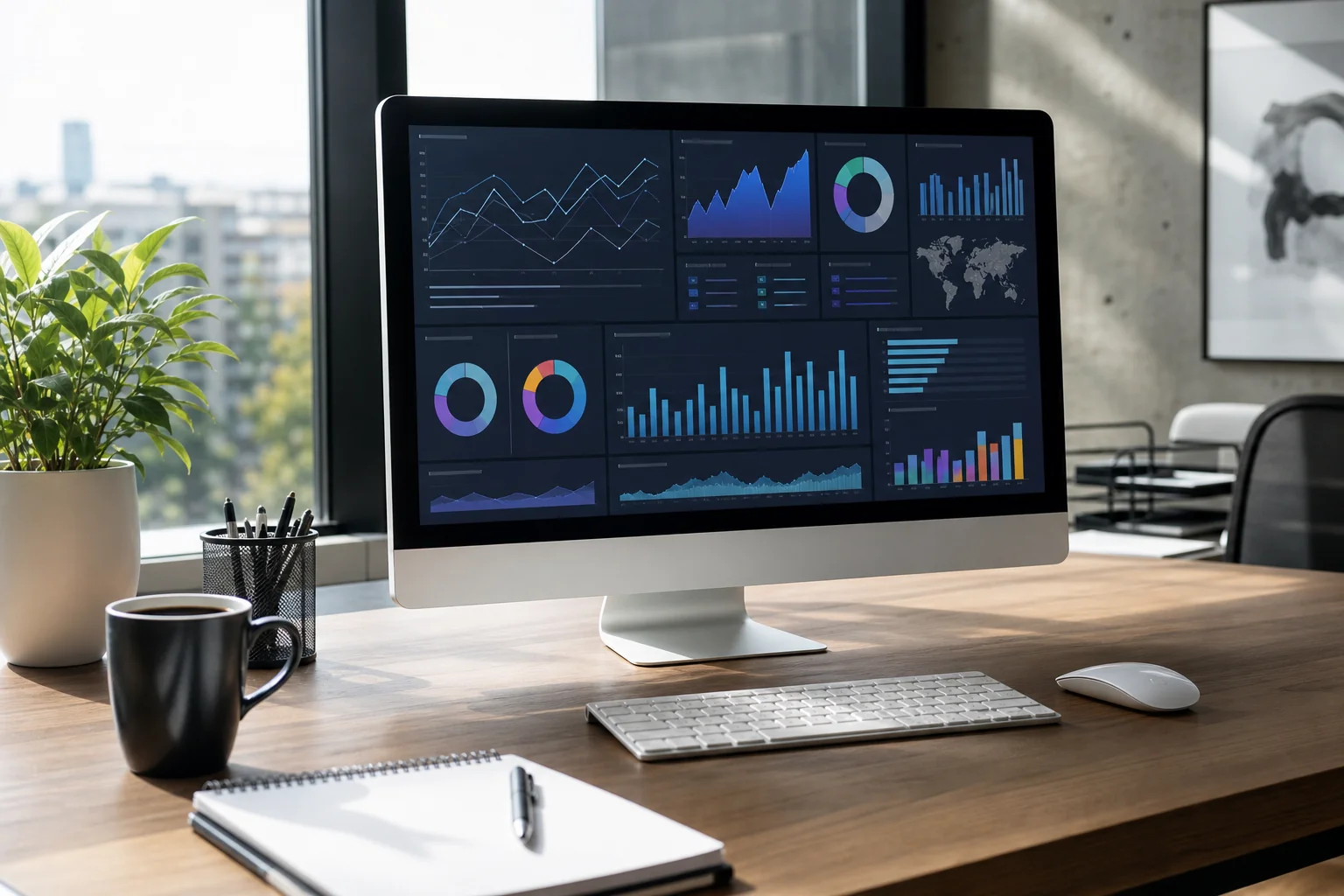
Klaviyo provides reporting tools that help businesses evaluate message delivery, customer engagement, and attributed conversion outcomes. However, flow performance should not be judged solely by email open rates or the revenue attributed to individual messages.
Open rates can be affected by privacy features and automated email preloading, making them less reliable as standalone measures of genuine engagement. Click activity may offer additional information, but conversions and customer behavior are usually more important when evaluating commercial performance.
Useful metrics include revenue per recipient, click rates, placed orders, conversion rates, unsubscribe rates, and the proportion of customers who complete the intended journey. Businesses should also examine whether flow activity contributes to repeat purchasing, retention, and customer lifetime value.
Understand Attributed Revenue vs. Incremental Revenue
Klaviyo may attribute an order to a flow when a customer interacts with a message within the configured attribution window. This helps marketers evaluate the relationship between communication and purchases, but attributed revenue is not necessarily revenue that would have been lost without the message.
For example, a customer might receive a checkout reminder and complete the purchase later that day. The order may be attributed to the flow, but that does not prove the customer would not have purchased independently.
Businesses should therefore avoid assuming that every attributed sale represents additional revenue. Controlled tests, holdout groups where available, and comparisons with broader business outcomes can provide stronger evidence of incremental value.
This distinction becomes particularly important when assessing whether discounts, additional messages, or more sophisticated automation genuinely improve profitability.
A/B Testing Klaviyo Flows
Without Creating Unnecessary Complexity
A/B testing allows marketers to compare different communication approaches and evaluate which performs better under the tested conditions. Klaviyo supports testing capabilities for relevant flow messages, enabling businesses to compare variations in subject lines, content, offers, or other supported elements.
The strongest experiments begin with a clear hypothesis. For example, a retailer might test whether a helpful checkout reminder without a discount generates more profitable recovered purchases than a message offering an immediate incentive.
The outcome should be measured using relevant business metrics rather than simply identifying the version with the higher open rate.
Prioritize Meaningful Tests
Not every flow needs constant experimentation. A store with limited customer volume may require substantial time before a test produces enough results for a dependable conclusion.
Focus first on changes with a realistic opportunity to improve performance. This may include the timing of abandoned checkout messages, the content of welcome emails, or the relevance of post-purchase recommendations.
Avoid changing several variables at once unless the experiment is intentionally designed to compare complete approaches. Otherwise, it may be difficult to determine why one version performed better.
Document significant tests and results so future changes are based on evidence rather than assumptions.
Privacy, Consent,
and Email Deliverability
Marketing automation depends on customer information, making consent management and data protection essential parts of the setup. Businesses must distinguish between transactional messages required to fulfill an order and marketing messages designed to encourage additional purchases.
For websites serving customers in the European Union, appropriate GDPR and electronic marketing requirements must be considered. Consent obligations can vary according to the communication channel, relationship with the customer, and applicable national rules.
Email and SMS permissions should not automatically be treated as interchangeable. A customer who agrees to receive emails has not necessarily authorized promotional text messages. Similarly, browsing activity should only be used for personalized communications when the necessary data processing and messaging conditions are satisfied.
Protect Deliverability and Customer Trust
Sending too many automated messages can affect engagement and customer relationships. A shopper may qualify for multiple flows within a short period, particularly when interacting with several products or completing different actions on the website.
Flow filters, frequency controls, and appropriate message prioritization help prevent excessive communication. Customers who have purchased should not continue receiving abandoned checkout reminders, while people who have unsubscribed should not receive promotional emails in violation of their preferences.
Deliverability also depends on sound sending practices, including appropriate domain authentication, list management, and monitoring of engagement and complaint rates.
Regular technical reviews are particularly useful when integrations or customer journeys change. Mass Data's marketing automation audit guide explains how businesses can identify problems with workflow configuration, customer data, segmentation, and overall automation performance.
Common Klaviyo Flow
Mistakes to Avoid
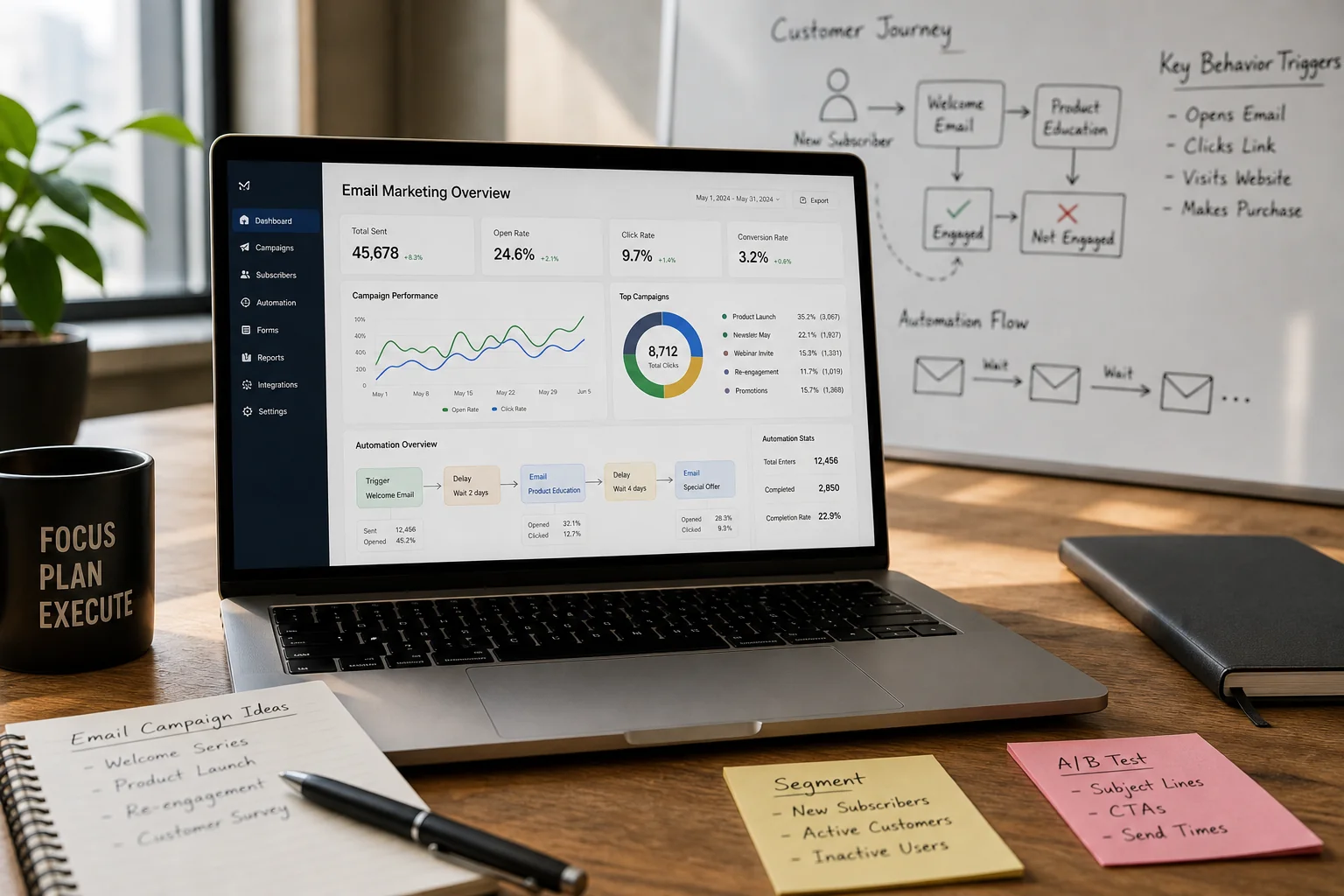
One of the most common mistakes is activating several pre-built flows without checking their triggers and filters. Default templates can provide a useful starting point, but they should be reviewed against the store's actual customer behavior and ecommerce integration.
Another frequent issue is overlapping automation. A customer may qualify for browse abandonment, added-to-cart recovery, and checkout recovery during the same shopping session. Without appropriate suppression rules, the resulting messages can become repetitive or contradictory.
Businesses should also avoid relying on discounts as the primary mechanism for every automation. Offering incentives too frequently can reduce margins and change customer expectations, particularly when shoppers discover that abandoning checkout leads to a better price.
A related mistake is evaluating flow performance only through attributed revenue. High revenue attribution may reflect strong existing customer intent rather than additional sales generated by the automation itself.
Finally, creating sophisticated workflows before validating event tracking can lead to unreliable results. Missing purchase events, incorrect product information, and inconsistent customer identifiers can affect the quality of every flow built on that data.
Hypothetical Example: Building Five Klaviyo
Flows for an Ecommerce Brand
Consider a hypothetical online retailer selling skincare products. The company attracts visitors through Google Ads, social media, and organic search, but its email marketing mainly consists of occasional promotional campaigns.
The marketing team decides to introduce five foundational Klaviyo flows. It begins with the welcome sequence to engage subscribers who have not purchased, followed by abandoned checkout recovery to support customers who leave the purchasing process.
Next, the team introduces post-purchase messages that explain how to use products and recommend complementary items. A win-back flow targets customers who have not reordered within a relevant purchasing interval, while browse abandonment provides additional information to identifiable visitors who have viewed products without taking further action.
Evaluating the Results
Before launch, the team confirms that ecommerce events are being recorded accurately and that customers are excluded from irrelevant flows. It also verifies consent settings, email templates, product recommendations, and message timing.
After activation, the retailer monitors flow engagement, placed orders, attributed revenue, repeat purchases, and unsubscribe rates. The team compares performance across customer segments and gradually tests changes to message timing and content.
Rather than assuming the five flows automatically generate substantial revenue growth, the business evaluates whether they provide useful communication and contribute to commercially meaningful outcomes.
This example is hypothetical and does not represent actual Mass Data client results. It illustrates how a structured implementation can make Klaviyo automation easier to manage, test, and improve.
When Should Ecommerce Brands Expand
Beyond the First Five Flows?
Once the foundational journeys are working reliably, ecommerce businesses can consider additional automation based on product characteristics and customer behavior.
For stores selling replenishable products, reorder reminders may provide more relevant communication than a generic win-back sequence. Brands with substantial repeat purchase activity may benefit from loyalty journeys, VIP segmentation, or cross-sell automation based on previous orders.
Other opportunities include product review requests, back-in-stock notifications, price-drop alerts, and workflows that respond to changes in customer engagement. These should be selected according to actual customer needs and the quality of available data rather than implemented simply because they are available in the platform.
The broader automation strategy should also consider how Klaviyo connects with ecommerce systems, advertising platforms, analytics tools, and customer databases. Disconnected systems can create inconsistent customer information and make performance harder to evaluate.
Mass Data's AI marketing automation and integration services help businesses connect these systems, design automated customer journeys, and improve the reliability of their marketing operations.
How Much Does
Klaviyo Automation Really Cost?
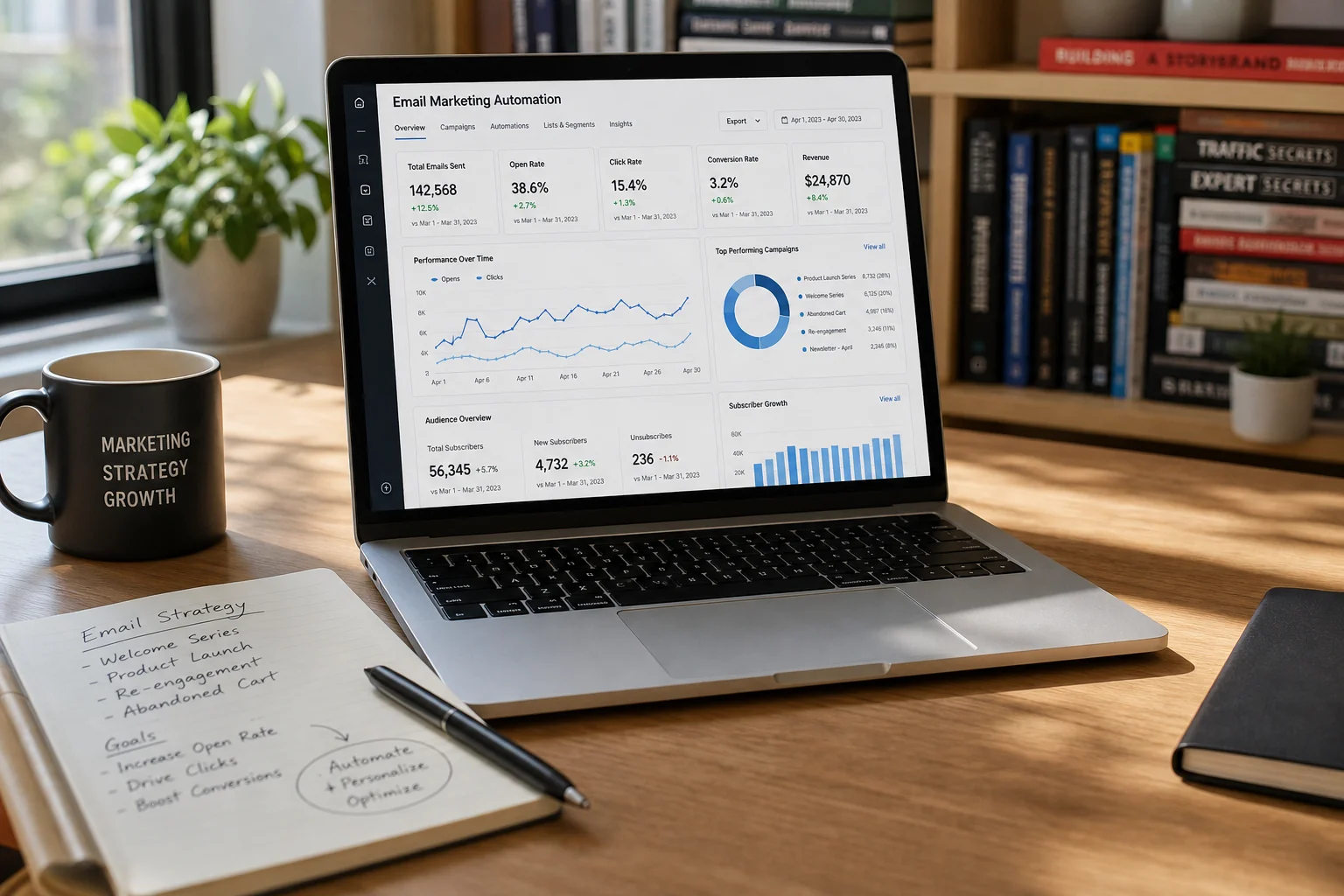
Klaviyo subscription costs depend on factors such as the selected products, customer profile volume, messaging requirements, and applicable subscription plan. Additional expenses may arise from implementation, integrations, content production, and ongoing optimization.
A business with a small contact database and a handful of straightforward email flows may have different requirements from a retailer managing hundreds of thousands of profiles, several geographic markets, and complex personalized journeys.
The true cost of automation should therefore include both software and operational resources. A cheaper subscription does not necessarily represent better value when the business requires substantial technical support or manual maintenance to operate it.
Mass Data's article on marketing automation cost in 2026 explains how subscriptions, integrations, implementation, and management contribute to the total investment.
The most useful question is not how many flows a business can create, but whether those workflows provide enough measurable value to justify their cost.
Conclusion
Klaviyo flows ecommerce automation provides an effective framework for responding to customer behavior throughout the buying journey. Welcome sequences introduce new subscribers, abandoned checkout flows help recover incomplete purchases, post-purchase communication supports customer satisfaction, and win-back campaigns encourage relevant customers to return.
Browse abandonment adds another opportunity by reconnecting with identifiable shoppers who have shown interest in specific products. Together, these five automations cover important stages of customer acquisition, conversion, and retention.
However, the strongest results depend on implementation quality rather than automation volume. Accurate event tracking, appropriate consent, carefully designed filters, relevant messaging, and meaningful performance measurement should remain central to the strategy.
Start with the flows that address the most important opportunities in your customer journey. Validate their technical setup, establish a baseline, and introduce improvements based on observed performance.
A smaller collection of reliable, well-maintained automations can deliver greater long-term value than a complicated system filled with overlapping messages and poorly defined customer segments.
Questions
Answered
Common questions related to this topic.
What is klaviyo flows ecommerce?
Klaviyo flows for ecommerce are automated email sequences that engage customers based on their actions. These flows, like welcome and abandoned cart flows, help businesses deliver relevant content, ultimately enhancing customer experience and boosting retention.
How does klaviyo flows ecommerce work?
Klaviyo flows operate by triggering email sequences based on specific customer behaviors, such as signing up for a newsletter or leaving items in their cart. This automation allows for timely and personalized communication, which can significantly improve conversion rates.
Why should I use Klaviyo flows for my ecommerce business?
Using Klaviyo flows can streamline your marketing efforts by automating customer engagement at critical touchpoints. This not only saves time but also increases the likelihood of conversions through personalized messaging that resonates with your audience.
When is the best time to implement Klaviyo flows ecommerce?
The best time to implement Klaviyo flows is when you have enough customer data to segment your audience effectively. Starting with key flows like the welcome and abandoned cart flows can help you maximize early engagement and drive sales from the outset.
Can Klaviyo flows help with customer retention?
Yes, Klaviyo flows are designed to enhance customer retention by sending targeted messages that encourage repeat purchases. Flows like post-purchase follow-ups and win-back campaigns can nurture customer relationships and keep your brand top of mind.
Should I customize my Klaviyo flows for different customer segments?
Absolutely. Customizing your Klaviyo flows for different segments allows you to tailor your messaging based on specific customer preferences and behaviors. This approach increases the relevance of your communications, leading to higher engagement and conversion rates.
Ready To GrowThis Into Results?
Learn which five Klaviyo flows ecommerce businesses should prioritize and how to configure them effectively. Explore welcome sequences, abandoned checkout recovery, post-purchase messaging, win-back campaigns, and browse abandonment, with practical guidance on triggers, segmentation, consent, testing, and revenue measurement.
Prefer to reach out directly? We'll get back to you as soon as possible.
Contact MASS DATA Today


